Mapping Referee Assignment Trends to Identify Value in Football Over-Under Markets
Gisela Peters · Nov 15, 2026
Mapping Referee Assignment Trends to Identify Value in Football Over-Under Markets
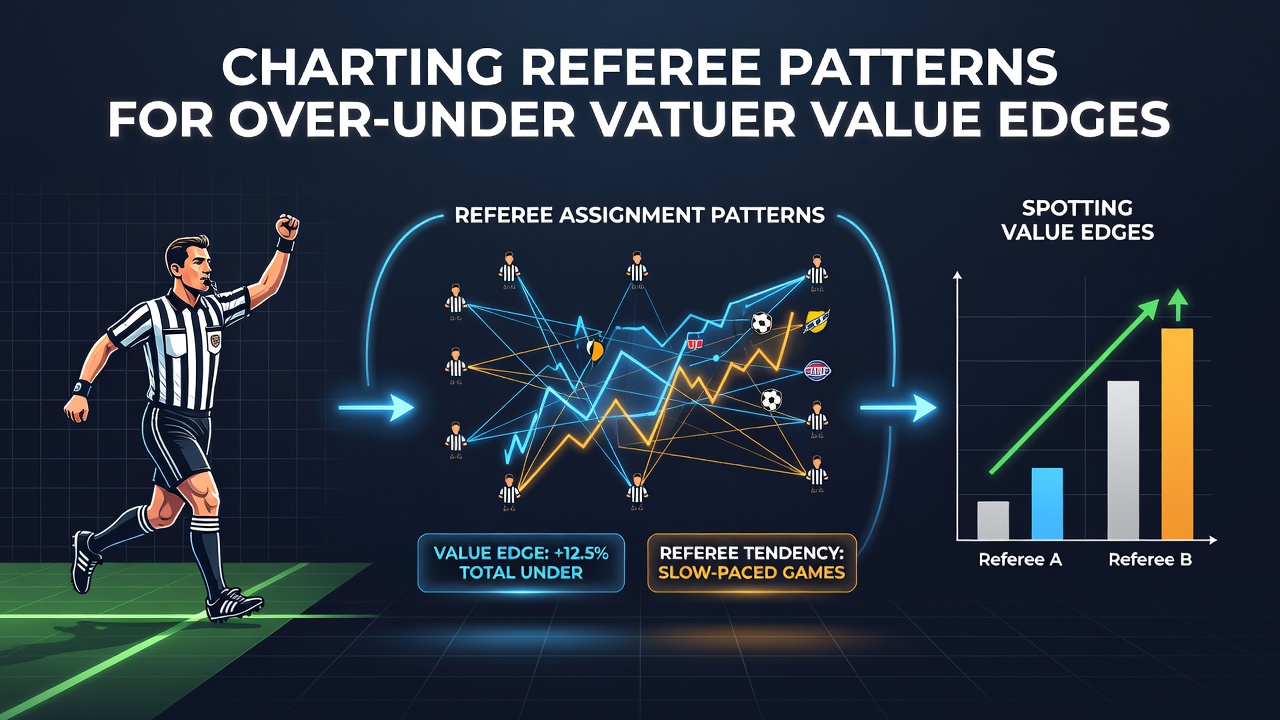
Referee rotation systems in professional football create measurable patterns that influence goal totals, and analysts track these assignments through official league databases to compare historical card and foul rates against current betting lines. Data from multiple European competitions shows that certain officials average 28 percent more yellow cards per match than the league median, which often correlates with reduced playing time in open areas and fewer total goals. Observers note that leagues publish referee schedules several days before fixtures, giving those who compile assignment histories an opportunity to cross-reference past performances with expected match dynamics.Building Assignment Databases from League Records
Analysts gather referee statistics from governing bodies across different regions, including reports issued by the German Football Association and performance summaries released through Australian sports research programs. These sources provide card counts, penalty awards, and stoppage time figures that extend back multiple seasons. Teams compile the information into spreadsheets that flag referees whose average total goals allowed deviates significantly from the competition norm, then match those profiles against upcoming fixtures where bookmakers have set over-under lines based on team form alone.
One study from a Canadian university sports analytics group examined 1,200 matches across five leagues and found that strict referees reduced average goals by 0.4 per game when assigned to high-possession teams. The same dataset revealed that lenient officials produced the opposite effect, pushing totals above the median in 62 percent of their appointments. Such findings allow systematic comparison between expected and actual outcomes once the referee for a specific match becomes known.
Linking Foul Rates to Goal Line Adjustments
Referees who issue frequent fouls tend to interrupt attacking sequences more often, particularly in midfield zones where set pieces replace open play. This pattern appears consistently in matches involving defensive-minded sides, where the number of shots on target drops when the assigned official maintains a low tolerance for physical challenges. Data indicates that over-under lines published before referee confirmation sometimes overlook these tendencies, creating temporary discrepancies that close once the assignment is confirmed and bettors adjust their positions.
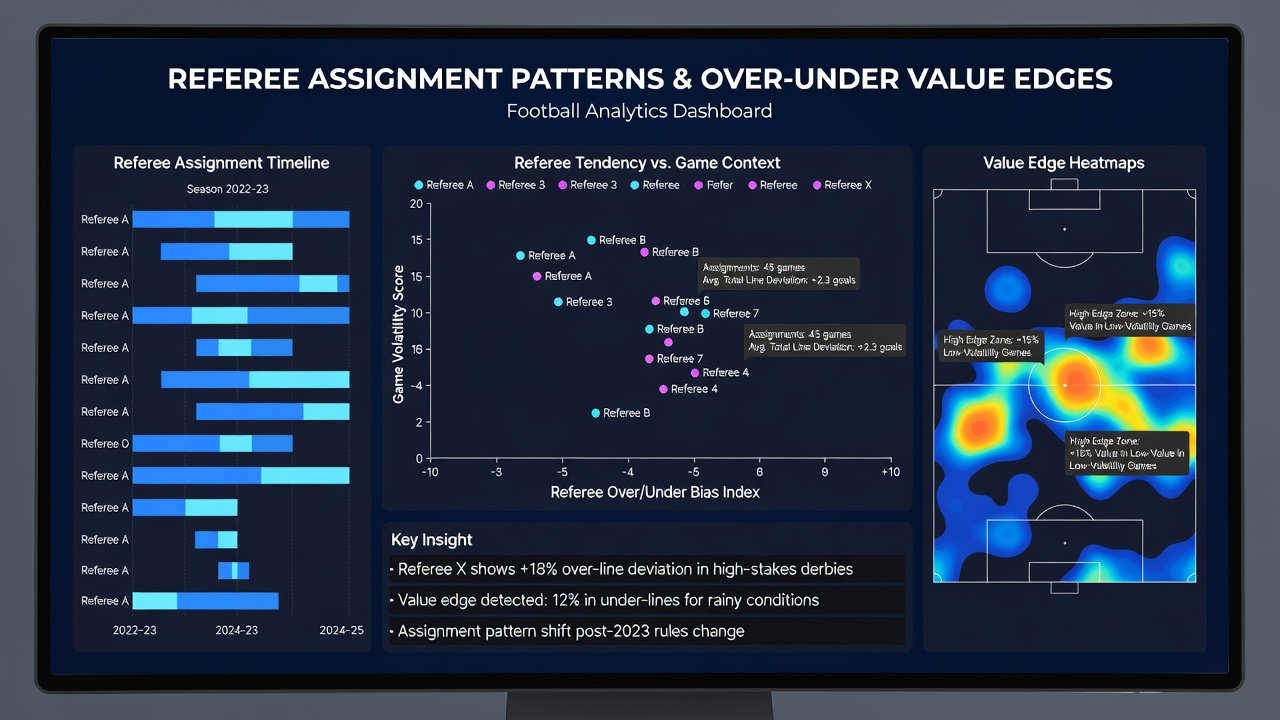
November 2026 schedules have introduced additional rotation rules in several top divisions, requiring officials to work no more than two matches per week in order to reduce fatigue-related inconsistencies. Early returns from those leagues show tighter clustering of card rates around the mean, yet individual outliers remain identifiable through continued tracking. Analysts update their models weekly to account for these schedule changes and maintain accuracy when projecting totals for weekend fixtures.
Practical Application Across Competitions
Those who monitor assignments compare referee profiles against expected match tempo, factoring in weather conditions, travel distances, and recent team disciplinary records. A referee with elevated foul averages assigned to a fixture between two attacking sides often produces totals that fall short of market expectations, whereas the same official working a low-event matchup between cautious teams can push numbers higher than anticipated. Cross-checking multiple seasons helps isolate these effects from random variance.
European governing bodies and North American research centers publish periodic updates on officiating standards that include regional breakdowns of card distributions. These reports supply additional context when assignment patterns shift due to international tournament call-ups or injury-related replacements. Observers incorporate the information into existing databases rather than treating each new season as an isolated sample.
Conclusion
Referee assignment charting supplies a structured method for comparing historical performance data against football over-under markets. By maintaining updated records drawn from league publications and regional sports authorities, analysts identify consistent deviations that influence goal totals. Continued monitoring of rotation policies, particularly those implemented in November 2026, supports ongoing refinement of these comparisons across competitions.