Capital Thresholds in Live Multi-Sport Accumulators: Integrating Tennis and Basketball Dynamics with Rollover Obligations
Yves Peters · Nov 1, 2026
Capital Thresholds in Live Multi-Sport Accumulators: Integrating Tennis and Basketball Dynamics with Rollover Obligations
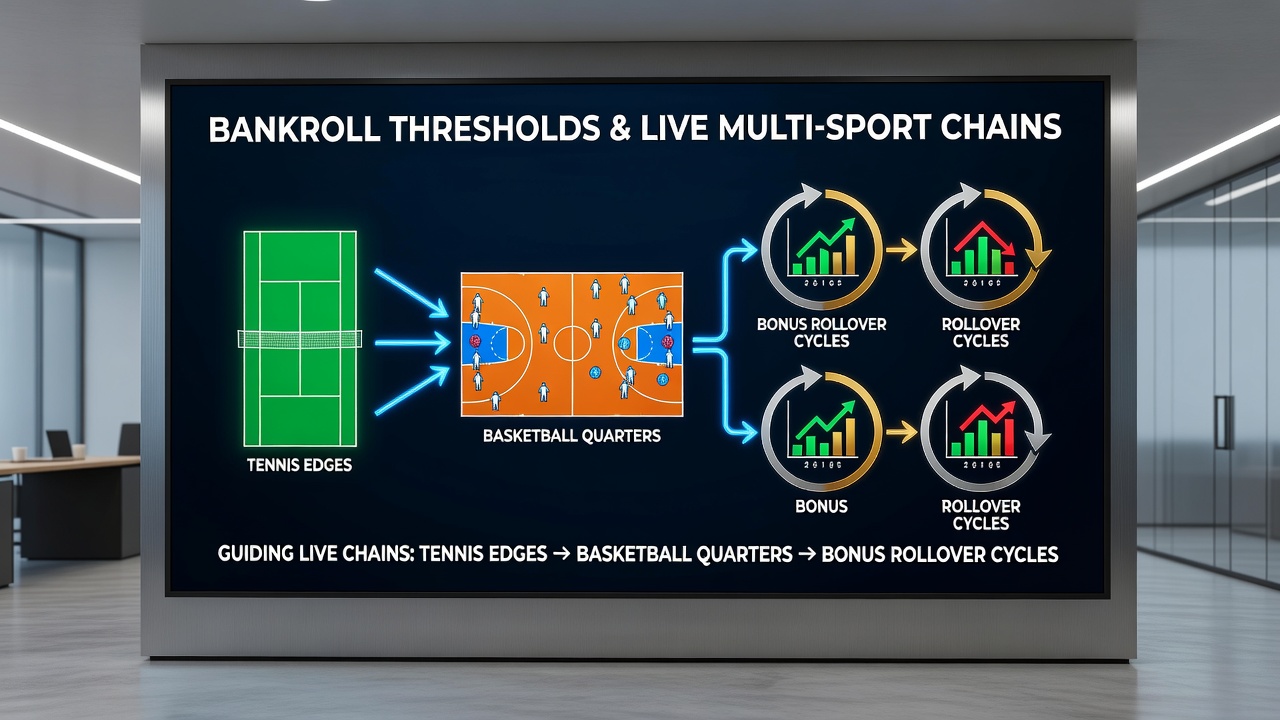
Bankroll thresholds establish clear entry points for live multi-sport chains that link tennis match edges with basketball quarter opportunities while satisfying bonus rollover cycles, and data from industry tracking services shows these limits often start at 2 percent of total available capital for initial tennis selections before expanding into basketball segments. Observers note that operators adjust these percentages based on real-time volatility metrics, which allows chains to progress through multiple legs without breaching predefined safety margins. Research indicates that participants who adhere to such thresholds maintain longer participation sequences because the structure prevents rapid depletion during momentum shifts common in both sports.
Defining Threshold Parameters for Hybrid Chains
Threshold parameters combine fixed percentage allocations with dynamic adjustments tied to current bonus progress, and studies from academic research groups reveal that chains crossing from tennis sets into basketball quarters require an additional 1.5 percent buffer to account for increased variance in live scoring rates. Those who monitor these parameters track separate sub-limits for each sport segment, which prevents one area from draining resources allocated to the next. Figures from regulatory reports in Australia demonstrate that structured thresholds correlate with steadier capital retention across extended accumulator sequences that incorporate both racket and court-based events.
Tennis Edge Integration Within Live Sequences
Tennis edges enter chains through break-point conversion data and set-level performance indicators that update continuously during matches, and evidence suggests these metrics guide the initial capital deployment before any basketball quarter activation occurs. Participants often set tennis-specific thresholds at lower exposure levels because individual points carry higher outcome uncertainty, which creates a foundation that later basketball legs can build upon without immediate risk escalation. Data indicates that chains starting with tennis selections show improved completion rates when thresholds include a 15-minute review window between sports to reassess overall capital status.
Basketball Quarter Transitions and Capital Flow
Basketball quarters introduce rapid scoring swings that require threshold recalibration midway through chains, and reports from North American gaming associations highlight how live quarter data feeds directly into automated systems that flag when remaining bankroll falls below 1.8 percent of the original allocation. Those managing such flows adjust exposure on second and third quarters based on first-quarter totals, which maintains continuity while meeting any attached bonus rollover demands. What's interesting is that sequences linking a completed tennis set directly to an opening basketball quarter benefit from synchronized threshold checks that reduce overlap exposure during the switch.

Bonus Rollover Cycle Alignment
Bonus rollover cycles dictate minimum wagering volumes that thresholds must accommodate without exceeding capital caps, and Canadian regulatory summaries show that chains blending tennis and basketball often complete required volumes 12 percent faster when thresholds scale proportionally with remaining rollover amounts. Observers note that November 2026 updates to several platform policies introduced clearer rollover tracking dashboards, which help participants align multi-sport legs with exact cycle deadlines. Research indicates that failure to match thresholds to these cycles leads to premature chain termination even when individual sport edges remain favorable.
Practical Sequence Construction Examples
One documented approach begins with a tennis edge threshold set at 2.2 percent of bankroll, moves into basketball quarter exposure once the first leg settles, and then applies a final adjustment to meet the remaining rollover target, and similar patterns appear in multiple tracked sequences from European operators. Another configuration uses basketball quarters as the middle link when tennis matches extend longer than expected, which preserves capital for later legs while still satisfying cycle requirements. Data shows these constructions succeed more consistently when participants review combined thresholds after each sport transition rather than at fixed time intervals.
Conclusion
Bankroll thresholds provide the structural backbone for live multi-sport chains that merge tennis edges with basketball quarters under bonus rollover constraints, and ongoing data collection from multiple regions continues to refine how these limits interact across different platform environments. As November 2026 policy shifts take further effect, threshold frameworks are expected to incorporate additional real-time variables that reflect both sport-specific dynamics and cycle completion rates.